
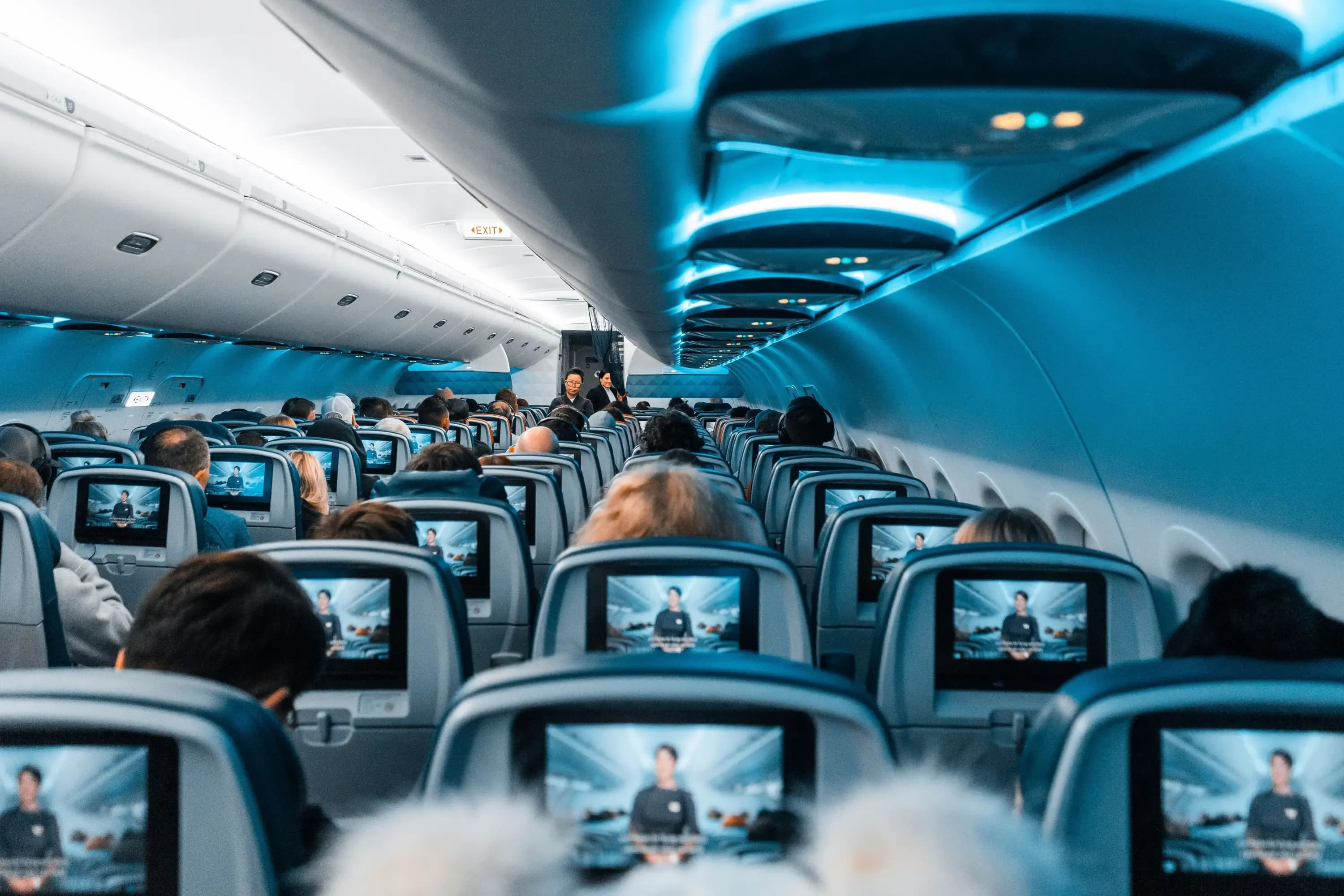
Anxiety
5 tips to stop being afraid of flying
One in five passengers is afraid of flying. These 5 practical tips — from seat choice to thought control techniques can significantly reduce your anxiety
Matthieu Gagnot
Tips, methods and stories to better understand fear of flying and learn to travel with peace of mind.
One in five passengers is afraid of flying. These 5 practical tips — from seat choice to thought control techniques can significantly reduce your anxiety
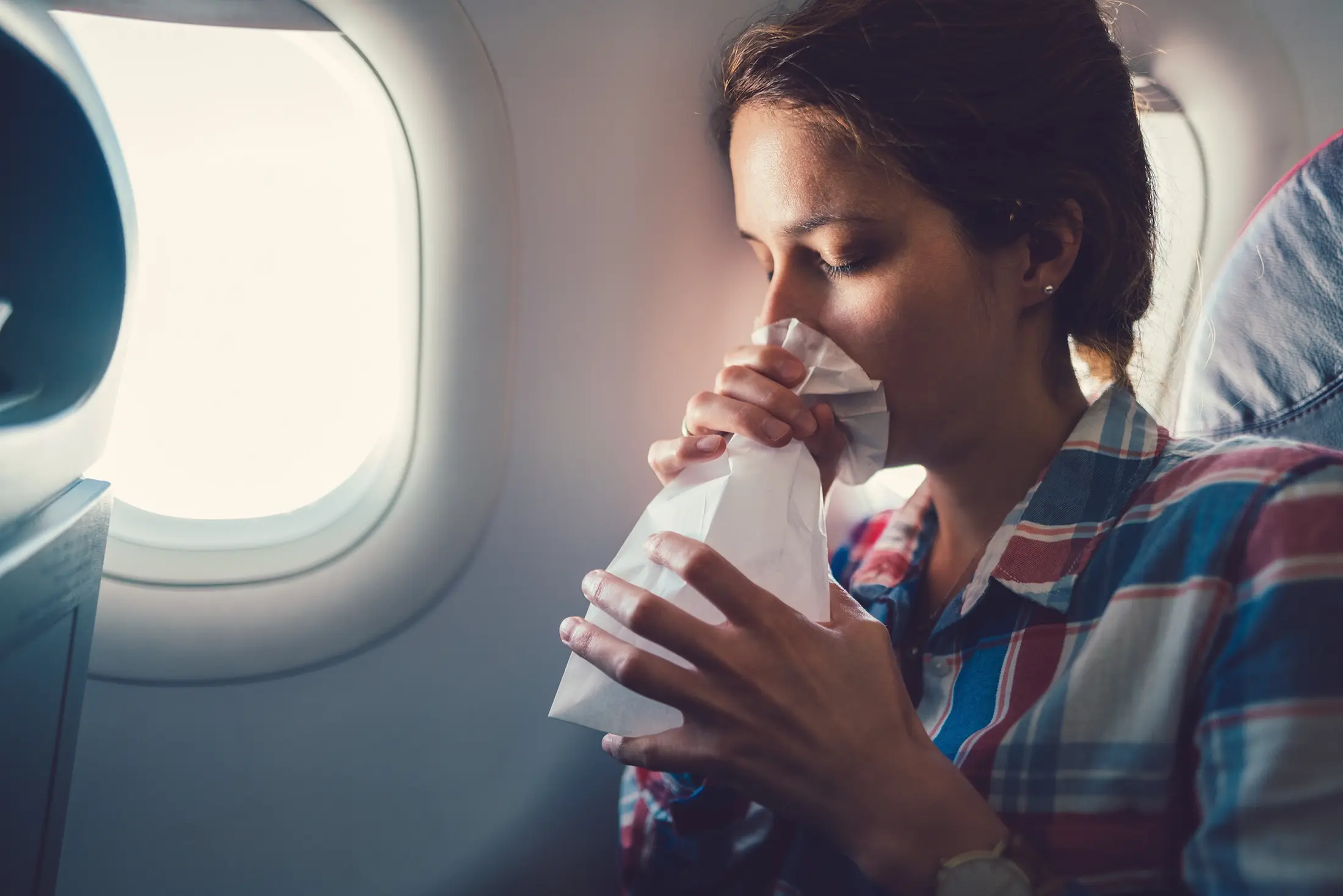
Aerophobia, or aviophobia, is the clinical term for fear of flying. What is it? How is it diagnosed? How does an intense dislike differ from a true phobia?
Want to fly business class without paying for it? These 8 practical tips maximize your chances of getting a free upgrade useful

Think “air pockets” make planes drop? Discover what turbulence really is and why it’s safe for your flight.
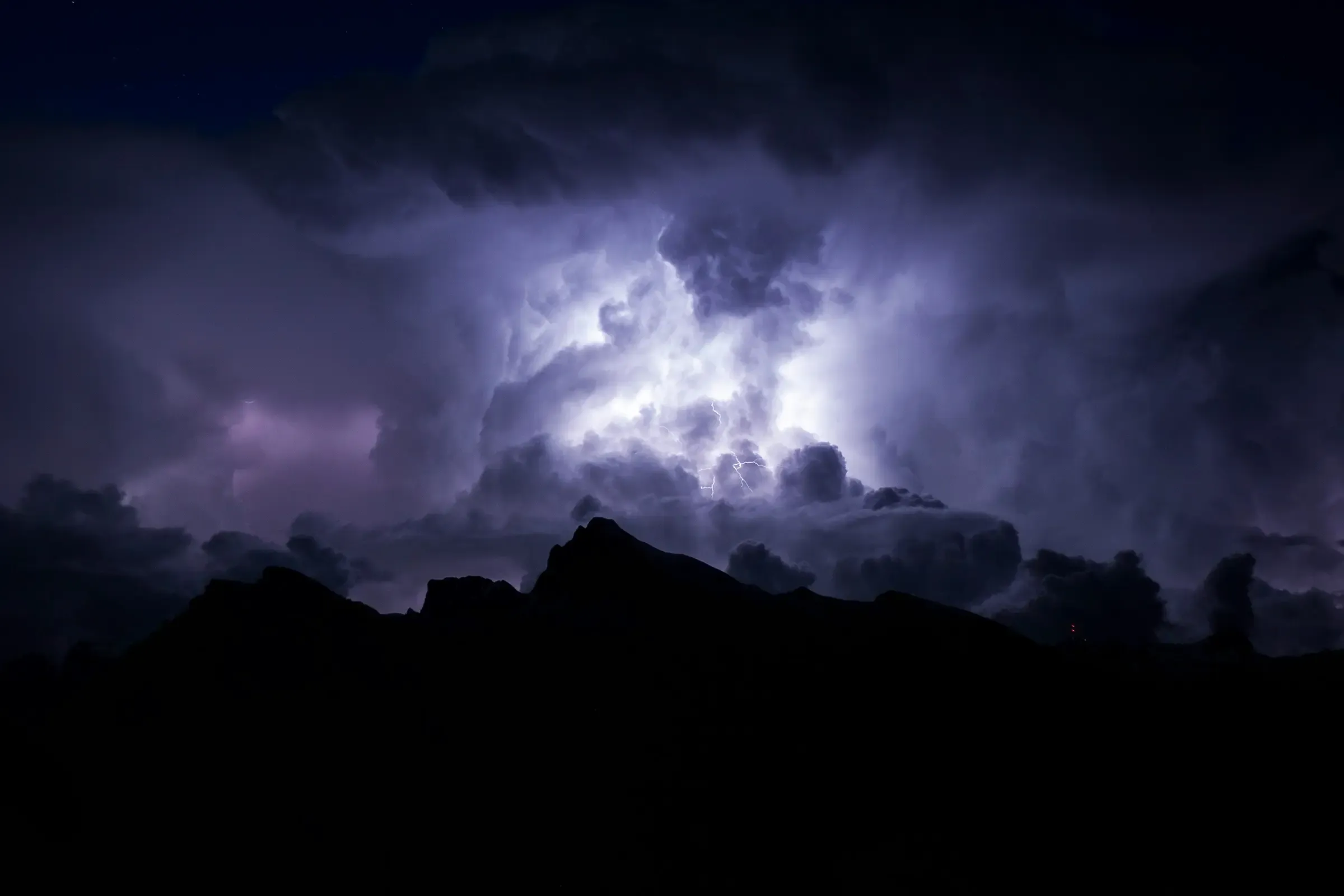
An airplane struck by lightning? Is it really possible, and what are the real risks for your flight?

Overcome fear of flying with cardiac coherence and sophrology: simple breathing and relaxation exercises to reduce anxiety before and during your flight.

Homeopathy is one option some people explore to manage anxiety before a flight. Here's what it involves, which remedies are most commonly used
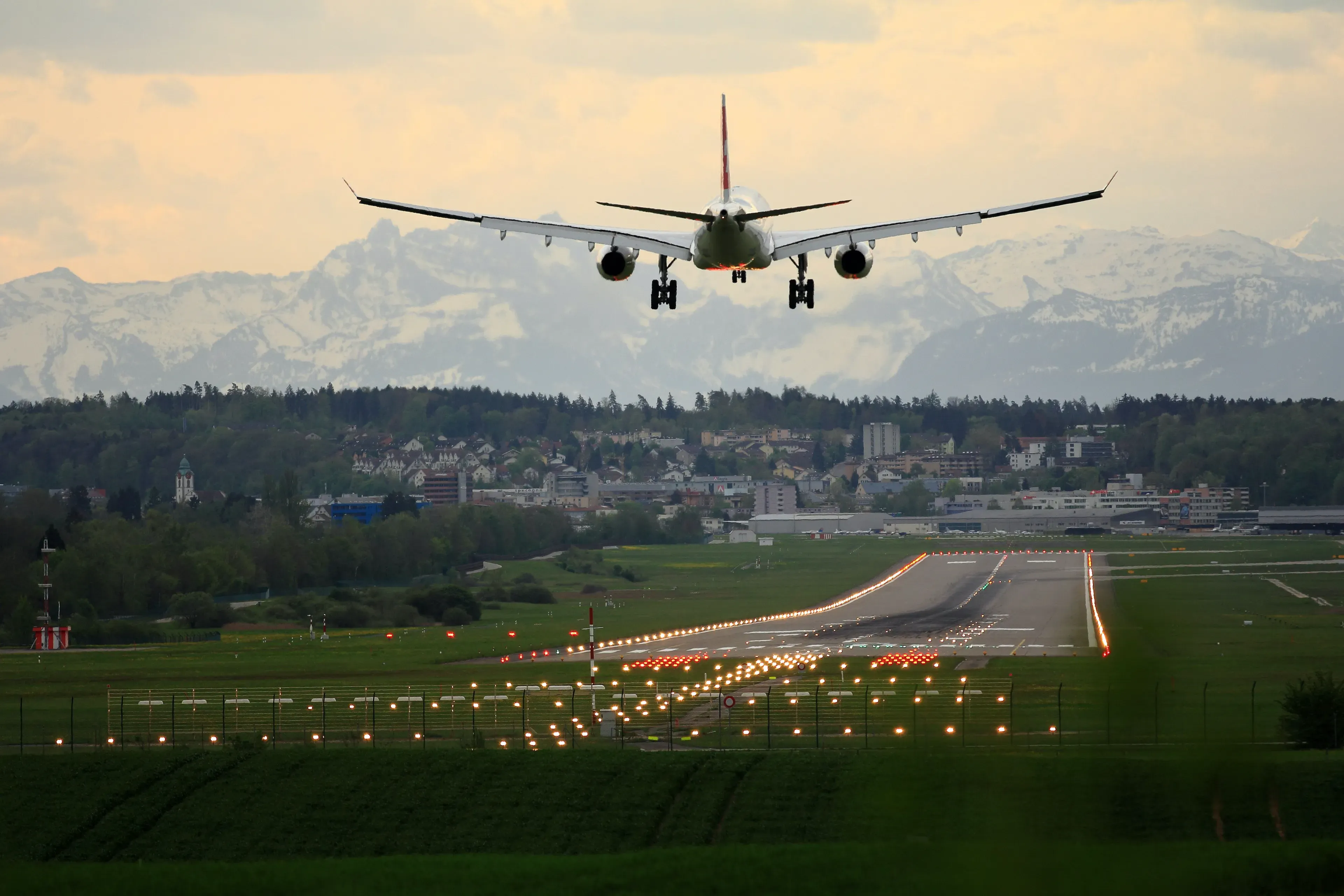
Planes always take off and land into the wind due to physics; this explains a lot about aircraft behavior during these critical phases.

Why do planes fly at 35,000 feet? What happens to the air at that altitude — and why does it matter for passengers? Here's everything you need to know
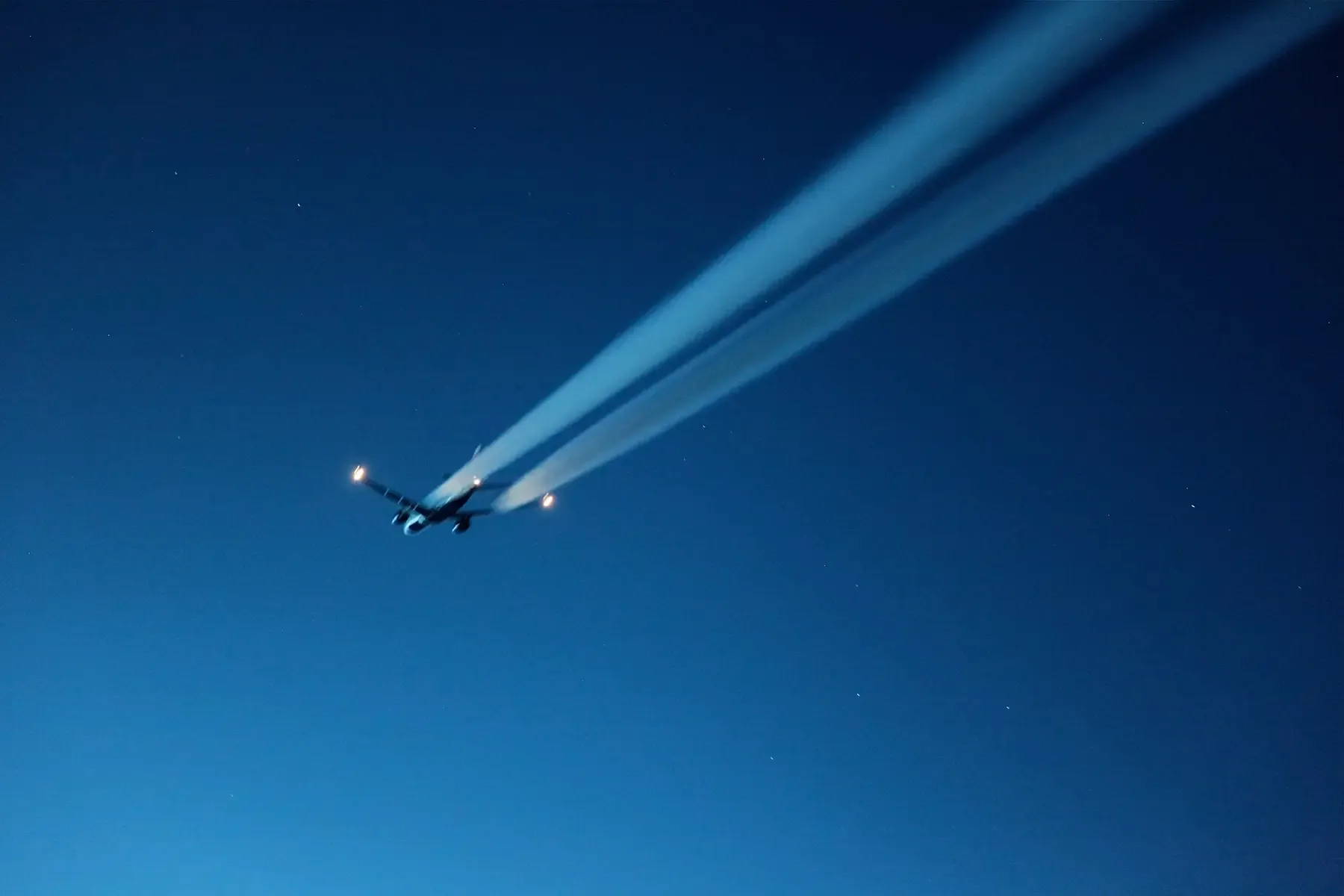
How fast does a commercial airplane actually fly? From takeoff to cruising altitude, here are the real numbers
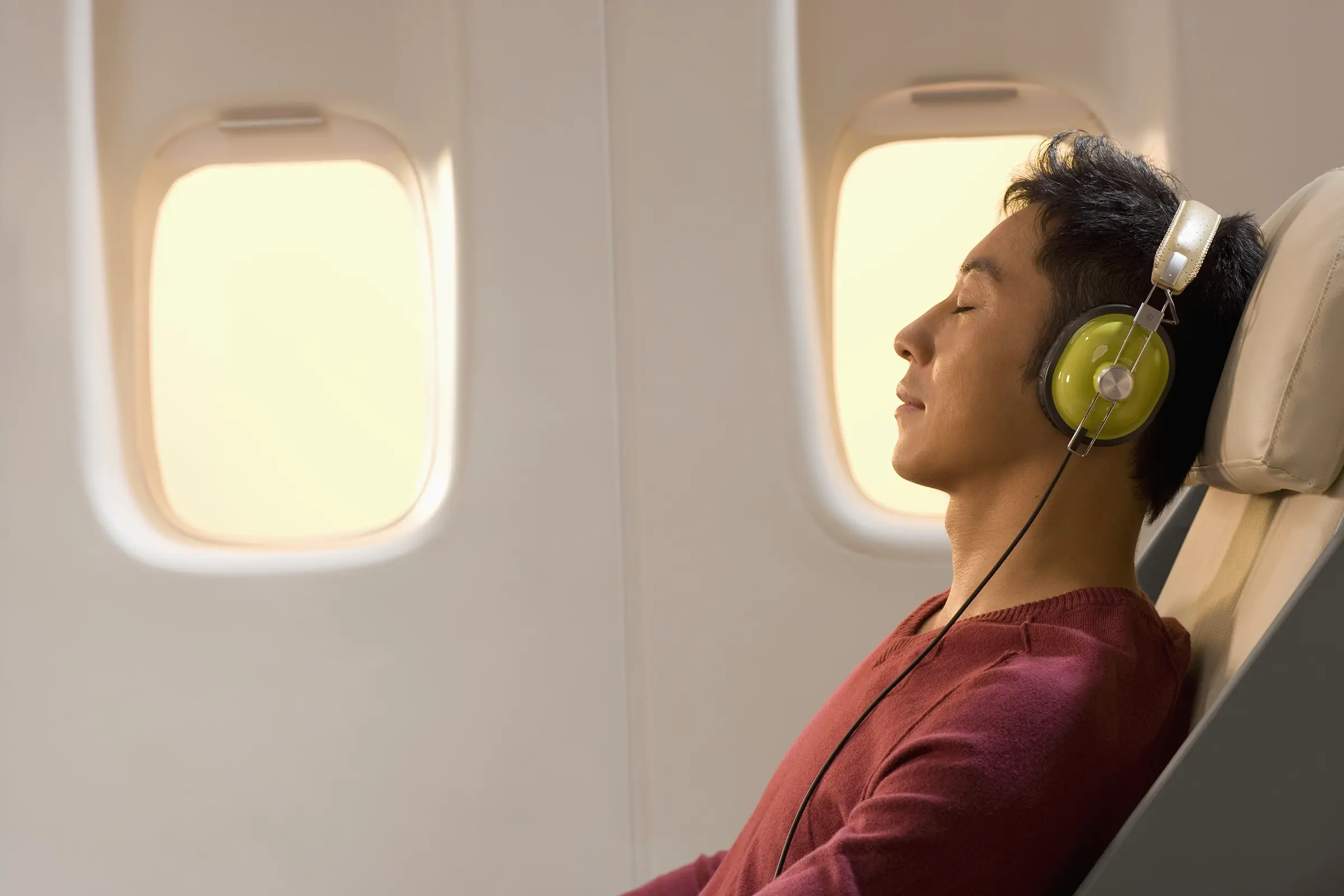
Flight-related ear pain, pressure, or congestion is common. Learn what causes ear issues in the air, who's susceptible, and how to protect your ears

A fear of flying course gives you the tools to understand and overcome flight anxiety — not just manage it.