Aviation
Every airplane noise explained, by a pilot
Nicolas Coccolo
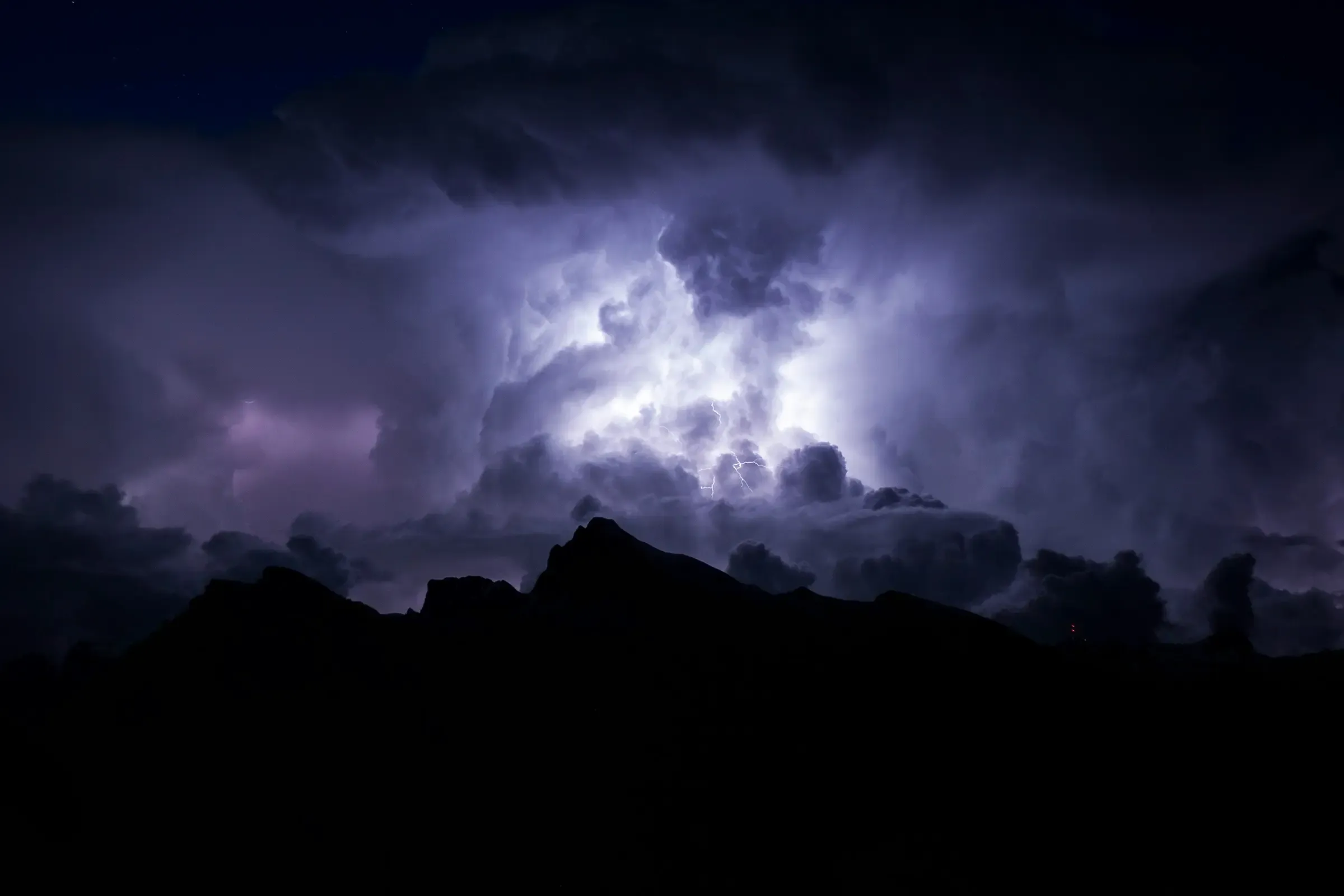
An airplane struck by lightning? Is it really possible, and what are the real risks for your flight?

Why do planes fly at 35,000 feet? What happens to the air at that altitude — and why does it matter for passengers? Here's everything you need to know
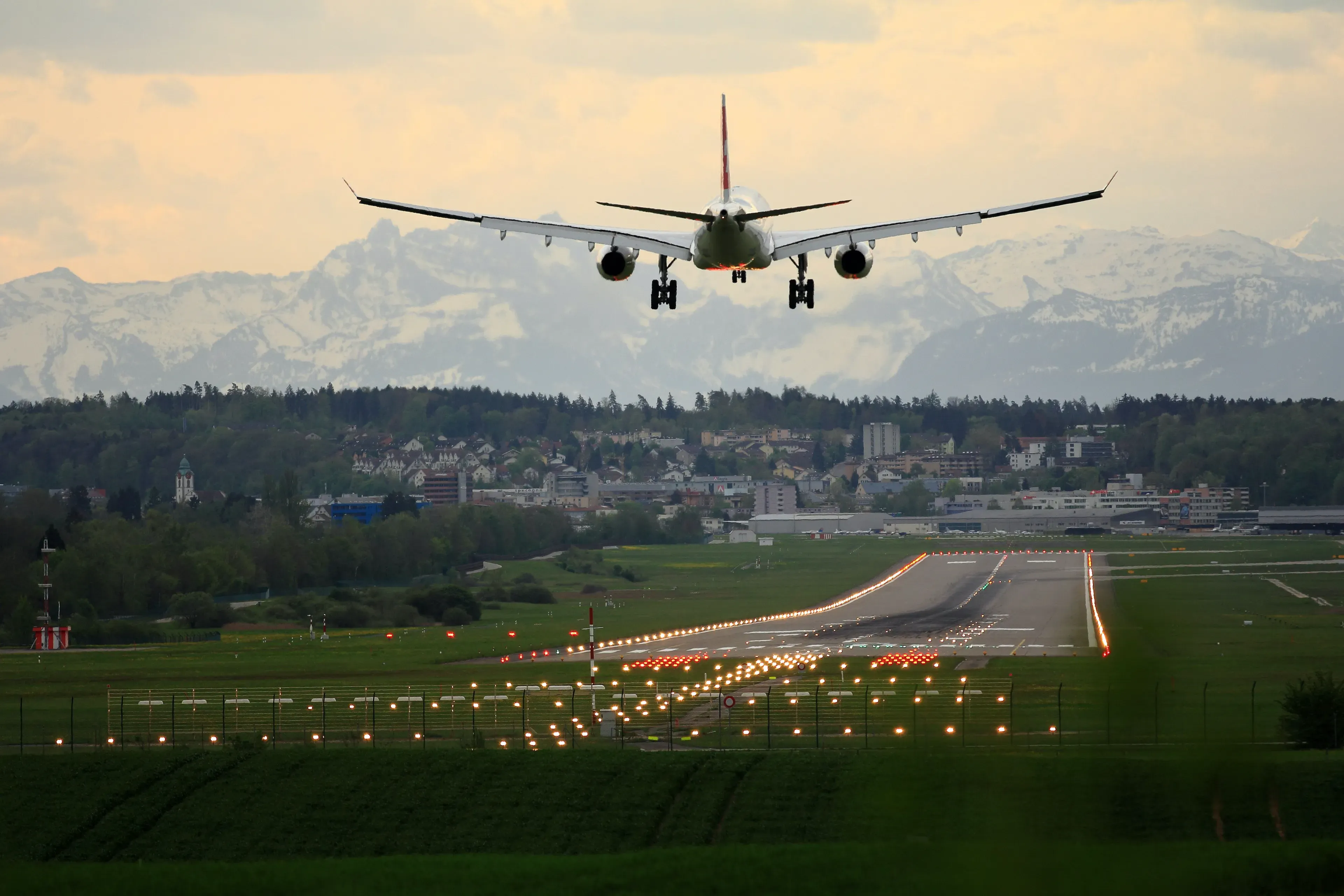
Planes always take off and land into the wind due to physics; this explains a lot about aircraft behavior during these critical phases.
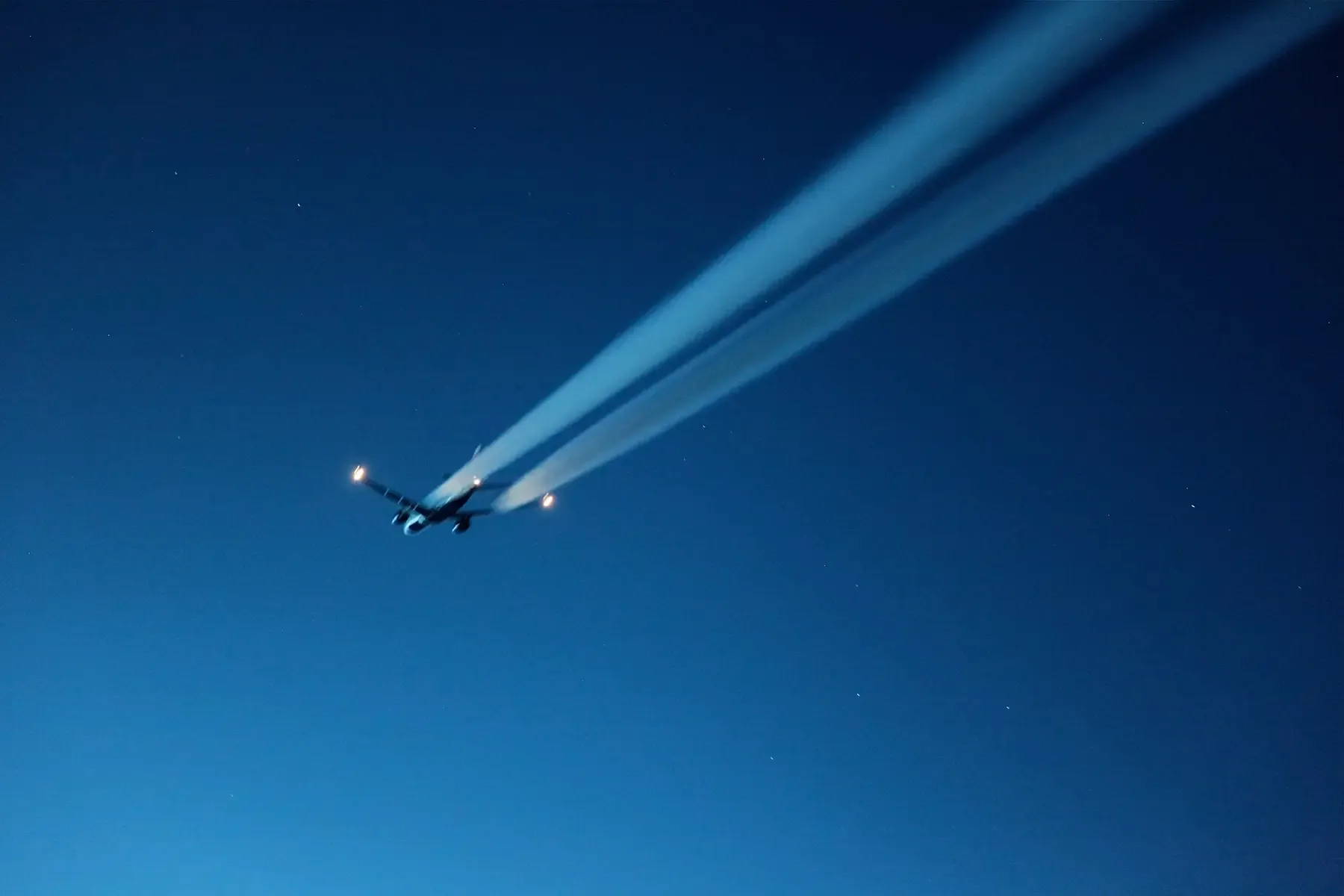
How fast does a commercial airplane actually fly? From takeoff to cruising altitude, here are the real numbers

Turbulence varies: Light chop, moderate, and severe categories each have distinct consequences for passengers and the aircraft.

Sustainable Aviation Fuel (SAF) is a key solution for commercial aviation decarbonization.This covers its definition, function, current status, and future needs
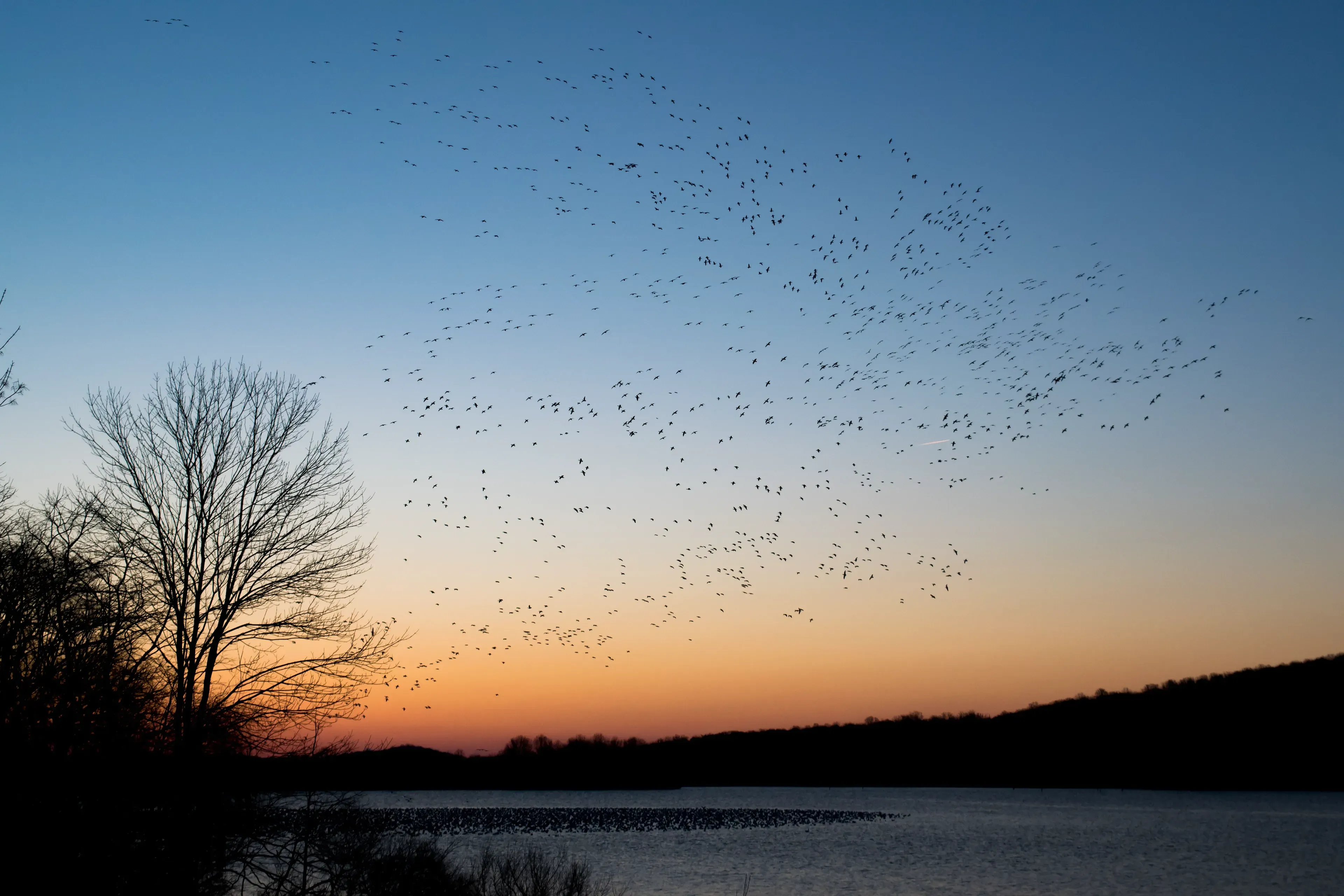
Bird strikes occur thousands of times annually in commercial aviation. While rarely serious, the consequences can be dramatic.

Airplane ear blockage is common, usually harmless, but often uncomfortable. Learn the cause, how to quickly clear it, and prevention tips for your next flight.
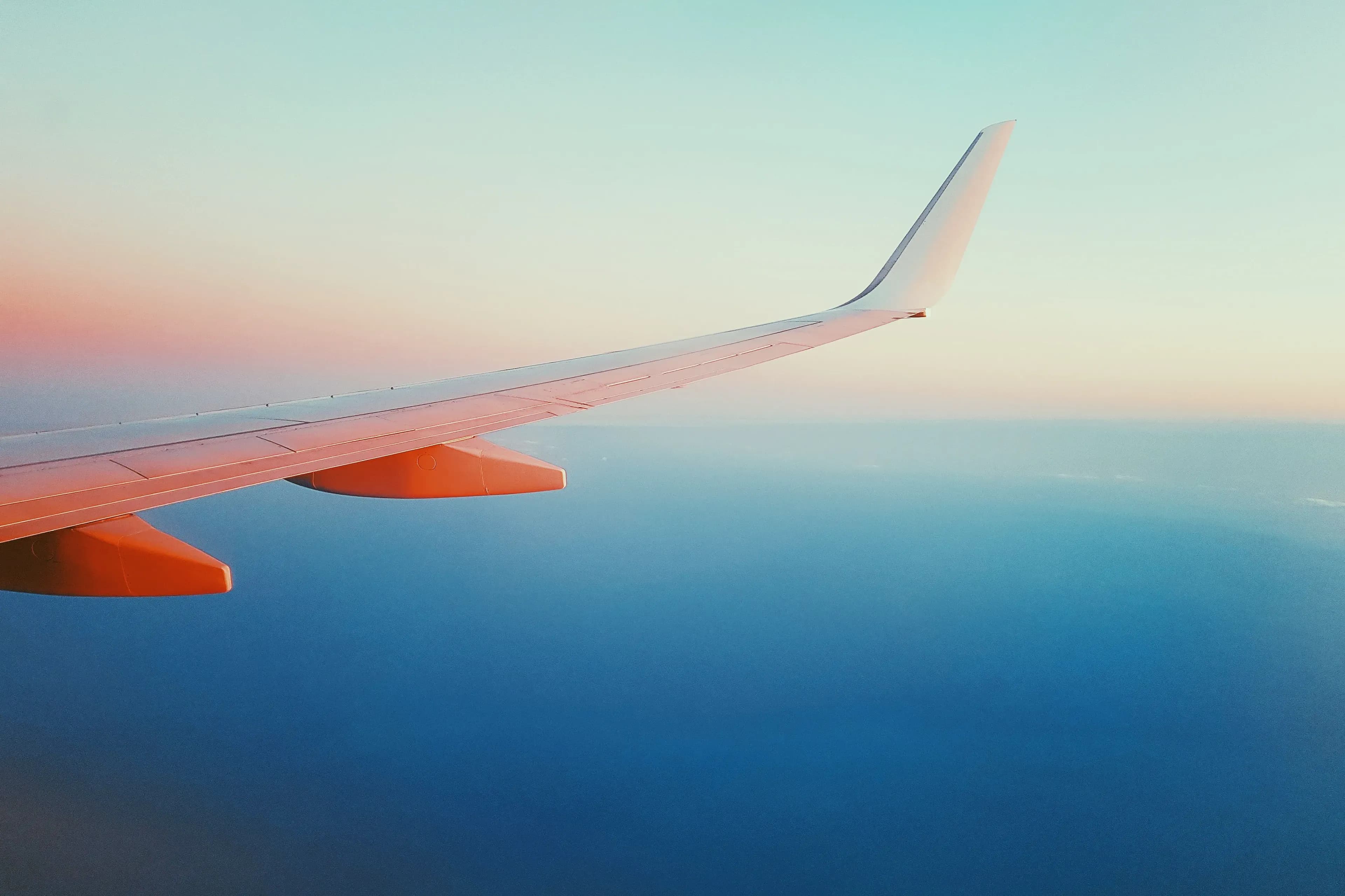
A plane losing all engine power doesn't just drop. Its glide ratio gives pilots more time and options than passengers often realize.
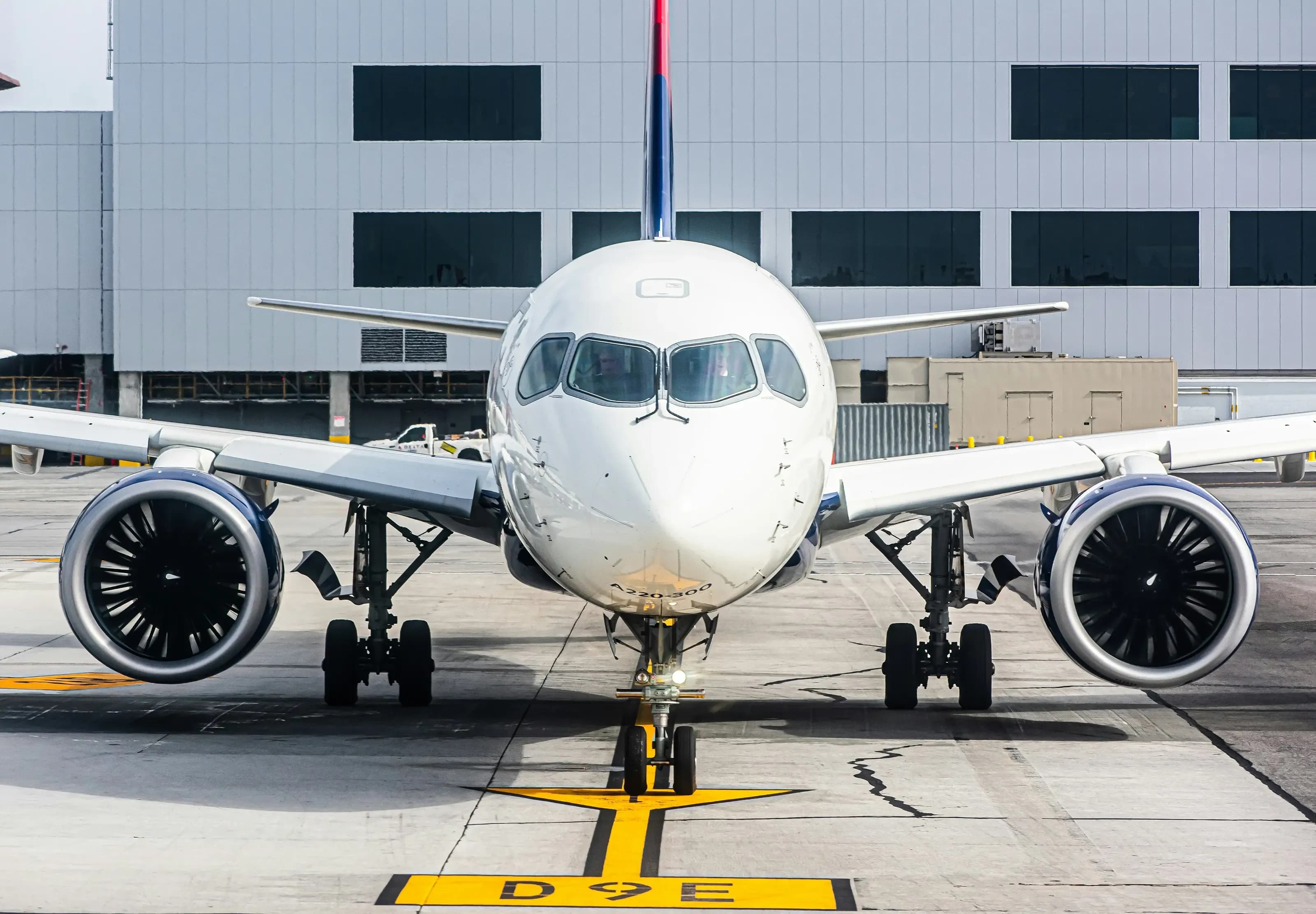
Flying is demonstrably the safest way to travel. The data, comparisons, and context clearly highlight aviation's unparalleled safety record.
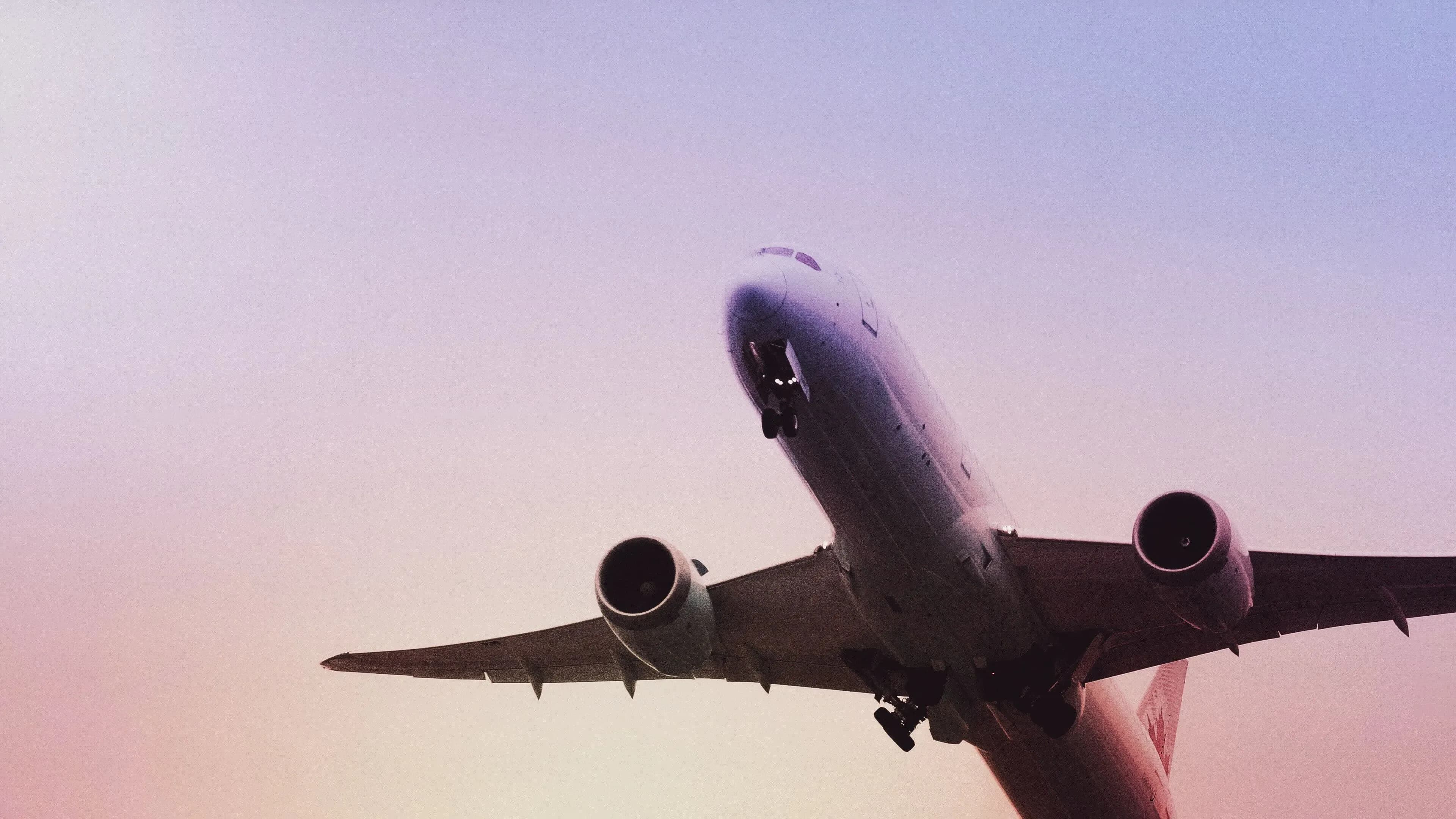
A plane stays airborne due to Bernoulli's principle and Newton's laws. This is a clear, non-technical explanation