Every airplane noise explained, by a pilot
Every Airplane Noise Explained, by a Pilot
Almost every sound you hear on a commercial flight is normal. The thumps, whirs and chimes are systems doing exactly what they were built to do, and pilots rely on those same sounds to confirm the aircraft is healthy. This guide explains each noise in the order you hear it, from boarding to the gate, so the cabin stops feeling like a code you cannot read.
If you are a nervous flyer, the sounds inside the cabin can feel like a code you are not allowed to read. A thump under the floor. A whine that rises and falls. A sudden chime, then silence. Your body reacts before your mind can catch up, and the question arrives fast: is that normal?
Here is the honest answer from the flight deck. Almost every noise you hear on a commercial flight is a system doing exactly what it was built to do. Pilots rely on these same sounds to confirm the aircraft is working. Once you know what each one means, the soundtrack of a flight stops being a threat and becomes something closer to reassurance. This guide walks through the noises in the order you actually hear them, from boarding to the gate.
Sounds before takeoff: the airplane waking up
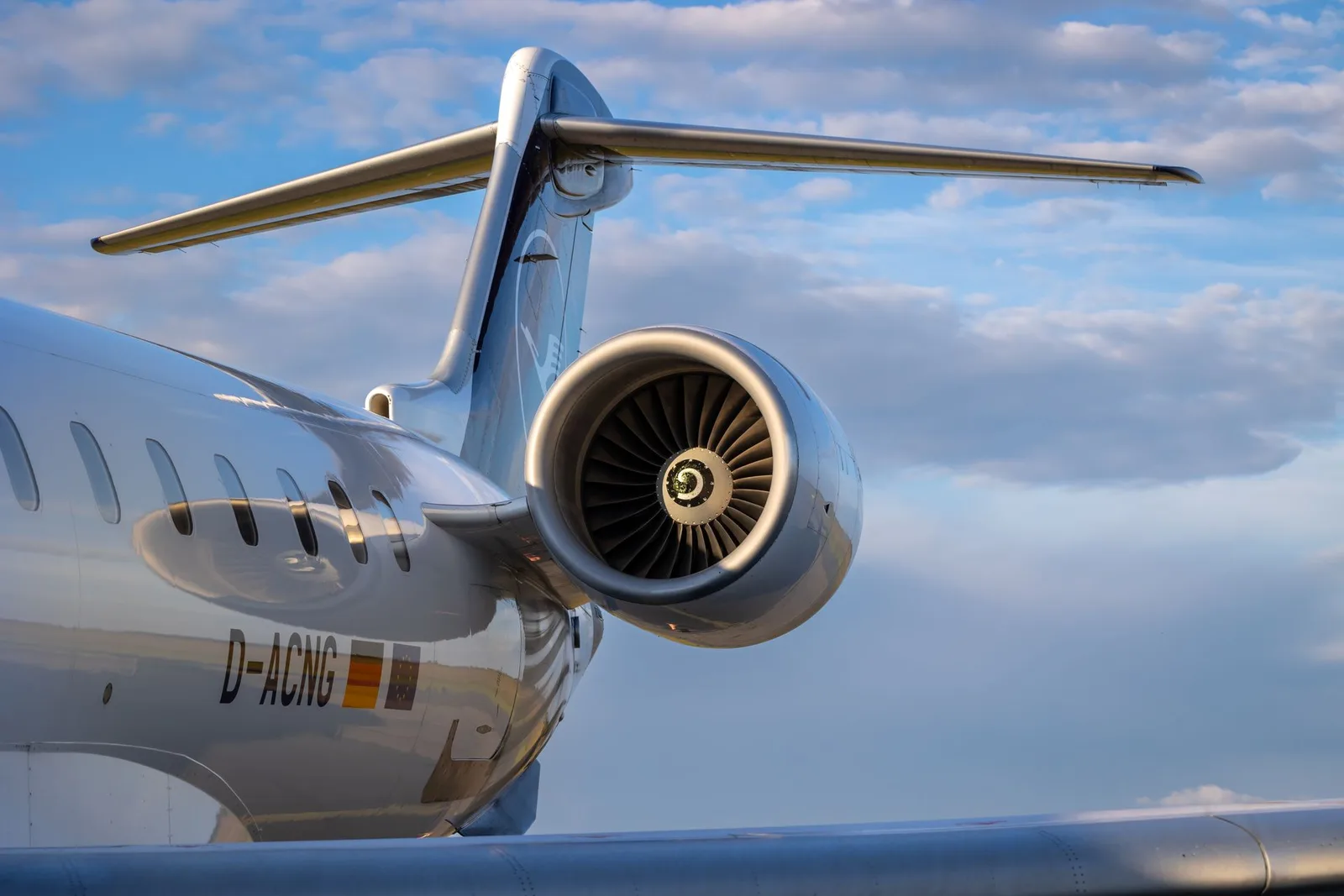
Before you have moved an inch, the aircraft makes a series of mechanical sounds as its systems come online. A high, steady whir during boarding is usually the Auxiliary Power Unit (APU), a small engine in the tail that supplies electricity and air conditioning while the main engines are off. You may also hear a deep hum start up: that is the engines spooling, drawing air through and beginning their slow climb to idle speed.
As the cabin door closes, a sharp clunk and a brief drop in background noise are normal. Then come the control surface checks: faint motor sounds and soft thuds as the pilots move the flaps, slats and other surfaces to confirm they respond. Nothing here is a warning sign. It is the same pre flight ritual on every flight, every day.
Takeoff: the loudest, and the most reassuring
When the pilots advance the thrust levers, the engines change from a hum to a powerful roar. That roar is not strain. It is the exact amount of thrust calculated for your aircraft weight, the runway length and the conditions outside. A louder takeoff is a fully committed takeoff, which is precisely what you want.
Seconds after the wheels leave the ground, you will often hear two heavy thumps followed by a reduction in wind noise. That is the landing gear retracting and the gear doors closing. People sometimes read this as something falling off. It is the opposite: the aircraft tidying itself up to fly cleanly. A short while later, the engine note may drop noticeably. This is a routine thrust reduction once the plane is safely climbing, often to reduce noise over neighborhoods below. It is planned, not a problem.
The climb and those mysterious chimes
During the climb you will hear electronic chimes, and these cause more anxiety than almost any other sound, simply because no one explains them. Most are crew communication, not emergencies. A single or double chime is typically a signal between the flight deck and the cabin crew, or between the crew members themselves.
One chime in particular is worth knowing. Many aircraft sound a tone as they climb through 10,000 feet. It marks the end of the sterile cockpit phase, the critical low altitude window when pilots avoid all non essential tasks. The same tone often sounds again on the way down. Far from a danger signal, it tells you the most demanding parts of the flight are behind you, or that the crew is now fully focused for the approach. As an American Airlines pilot has explained publicly, these chimes are routine operational cues, not alarms.
Cruise: the quiet part, and a few small surprises
In cruise, the cabin settles into a steady drone of engines and airflow. This is the calmest phase of the flight and the noises become familiar background. You may notice the air conditioning hiss change pitch, or a brief mechanical sound as the autopilot makes small adjustments. If the ride gets bumpy, the engine note may rise and fall slightly as the system holds your speed steady through the moving air.
Those bumps deserve a word of their own, because the sounds and the sensations feed each other. If turbulence is your trigger, it helps to understand what is actually happening to the aircraft. We cover it in detail in everything you have never been told about turbulence, and the short version is this: modern aircraft are built to handle forces far beyond anything you will feel as a passenger.
Descent and landing: the busiest soundtrack of the flight
Landing is the most mechanically active phase, so it is also the noisiest after takeoff. Within a few minutes the aircraft works through a sequence of sounds, each one a specific system doing its job. Knowing the order makes the whole approach feel predictable instead of alarming:
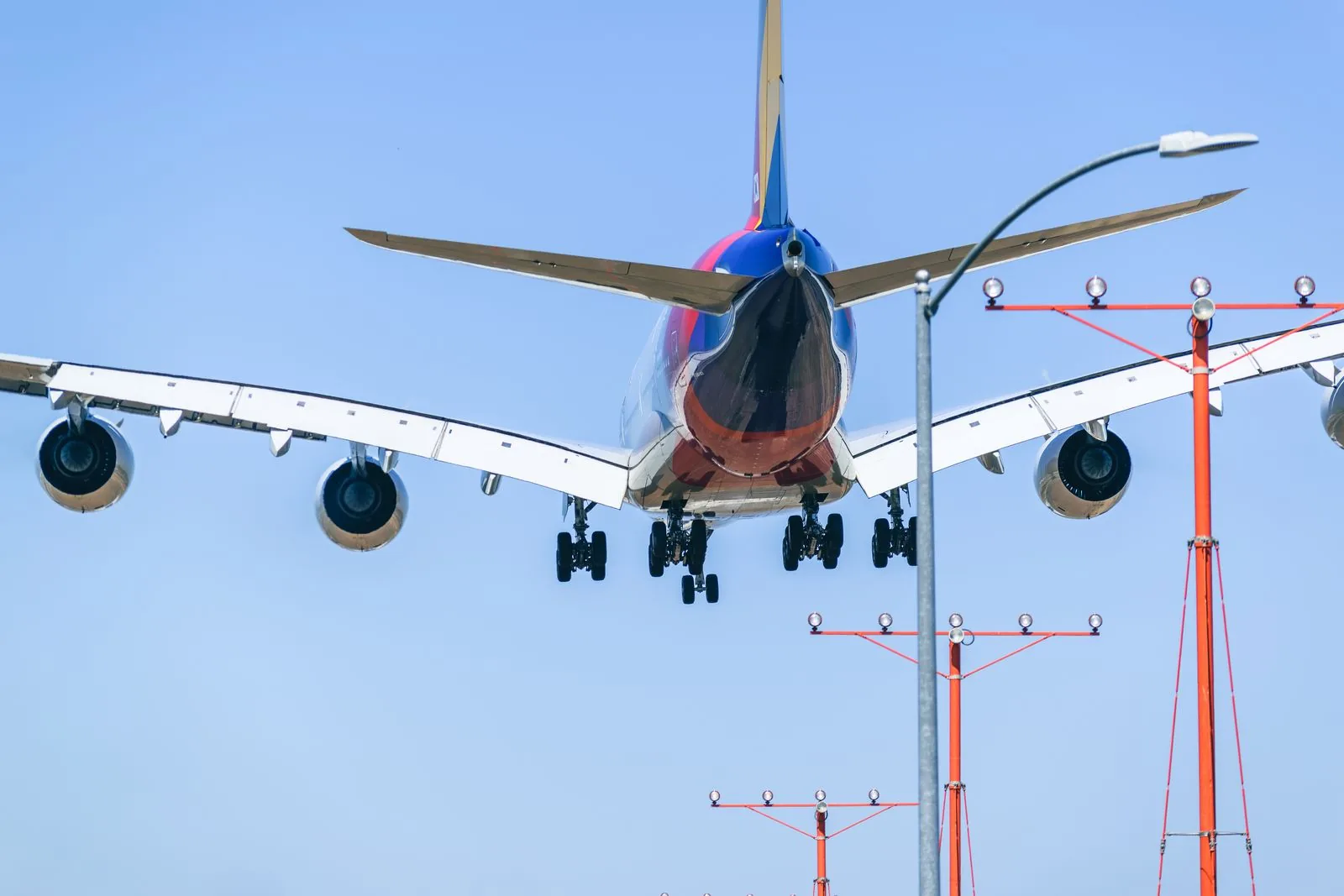
A rising whir as the flaps and slats extend from the wings, increasing lift so the plane can fly safely at slower speeds. A loud thunk and hum as the landing gear lowers and locks into place, sometimes with a change in wind noise as the gear doors open. A low rumble if the pilots use speedbrakes to manage the descent. After touchdown, a sudden roar as the thrust reversers and ground spoilers help slow the aircraft, followed by the vibration of the wheel brakes.
The gear in particular catches nervous flyers off guard, because it is loud and you feel it as much as hear it. As the team at Fearless Flight Club notes, hearing the landing gear deploy is completely normal and is exactly what should happen on every approach.
When a noise triggers a wave of panic
Understanding the sounds is one half of the work. The other half is what your body does when an unexpected noise hits. For many anxious flyers, a single thump can set off a racing heart, shallow breathing and the conviction that something is wrong, even when nothing is. That reaction is real, and it is manageable.
If you feel that wave building, the most useful skill is slowing your breathing before the fear takes the wheel. If it goes further than discomfort, our guide on how to handle a panic attack mid flight walks through what to do, step by step, while it is happening. The goal is not to never feel fear. It is to know that the fear will pass and the aircraft is fine.
Why these sounds are a sign of health, not danger
Step back and the pattern becomes clear. A flight is a sequence of systems engaging and disengaging on cue: engines, hydraulics, flaps, gear, pressurization, autopilot. Each one announces itself with a sound. Silence where there should be noise is what would actually concern a pilot, not the noise itself.
It also helps to remember why an airplane stays up in the first place, because the physics is far more solid than the bumps and bangs suggest. If you have ever wondered what keeps a heavy machine in the air, how does a plane fly lays out the basics in plain language. The same engineering that explains the lift also explains why the aircraft shrugs off the sounds that worry you.
If you want a wider tour of cabin sounds beyond this guide, Smithsonian Magazine's nervous flyer's guide decodes many of the same dings and whirs from an aviation perspective.
Frequently asked questions about airplane noises
What is the loud thump shortly after takeoff?
That is almost always the landing gear retracting and the gear doors closing. It happens once the aircraft is safely climbing and is a completely normal part of every flight.
Why does the engine sound quieter a minute after takeoff?
After the initial climb, pilots reduce thrust to a planned cruise climb setting, often to limit noise over residential areas. The quieter engine is intentional and routine, not a loss of power.
What do the chimes during a flight mean?
Most chimes are communication between the pilots and the cabin crew. One common tone marks passing through 10,000 feet, which signals the end or start of the sterile cockpit phase. They are operational cues, not alarms.
Is it normal to hear the landing gear come down?
Yes. The loud thunk and hum during the approach is the landing gear extending and locking. It is loud and you can feel it, and it is exactly what should happen before every landing.
Should I worry if the plane is making a lot of noise on descent?
No. Landing is the most mechanically active phase, so it is the busiest for sounds: flaps, gear, speedbrakes, thrust reversers and brakes all engage within minutes. A noisy descent is a normal, well sequenced descent.
The takeaway
The sounds of a flight are not a mystery to the people up front. They are a checklist you can hear. Once you can name the thump, the whir and the chime, the cabin gets a lot quieter in your head, even when it is not quieter in your ears. The aircraft is talking. Now you understand the language.
Want to take the next step?
If the sounds still set off real anxiety, knowing what they mean is only the start. A good next move is to see where your fear actually sits. Our free fear of flying questionnaire takes under three minutes and gives you a clear read on your profile, with no pressure attached.
And if you would rather work on it properly, at your own pace, the Fofly e-learning course was built by a professional pilot and a psychologist trained in cognitive behavioural therapy. It pairs the aeronautical side, the same systems and sounds covered here, with practical techniques to manage the anxiety itself. No obligation, just the door, open whenever you are ready to walk through it.