Is landing really the most dangerous part of the flight?
Is Landing Really the Most Dangerous Part of the Flight?
Statistically, landing and final approach account for around half of all accidents while making up only a few percent of flight time, so yes, per minute it is the busiest phase for risk. But that number hides the real story: most of those events are minor, fatalities are rare, and landing is the single most trained and tightly controlled moment of the entire flight. This is the honest picture, from the flight deck.
If you have ever gripped the armrest as the ground rushes up, you have probably heard the claim that landing is the most dangerous part of flying. It gets repeated everywhere, and for once the scary-sounding statistic is not a myth. It is broadly true. What almost nobody explains is what that number actually means, and why a pilot can know it by heart and still find landing routine.
So let us do the honest thing: look at the real figures, explain why approach and landing concentrate the risk, and then show why the conclusion for you as a passenger is still overwhelmingly reassuring.
What the statistics actually say
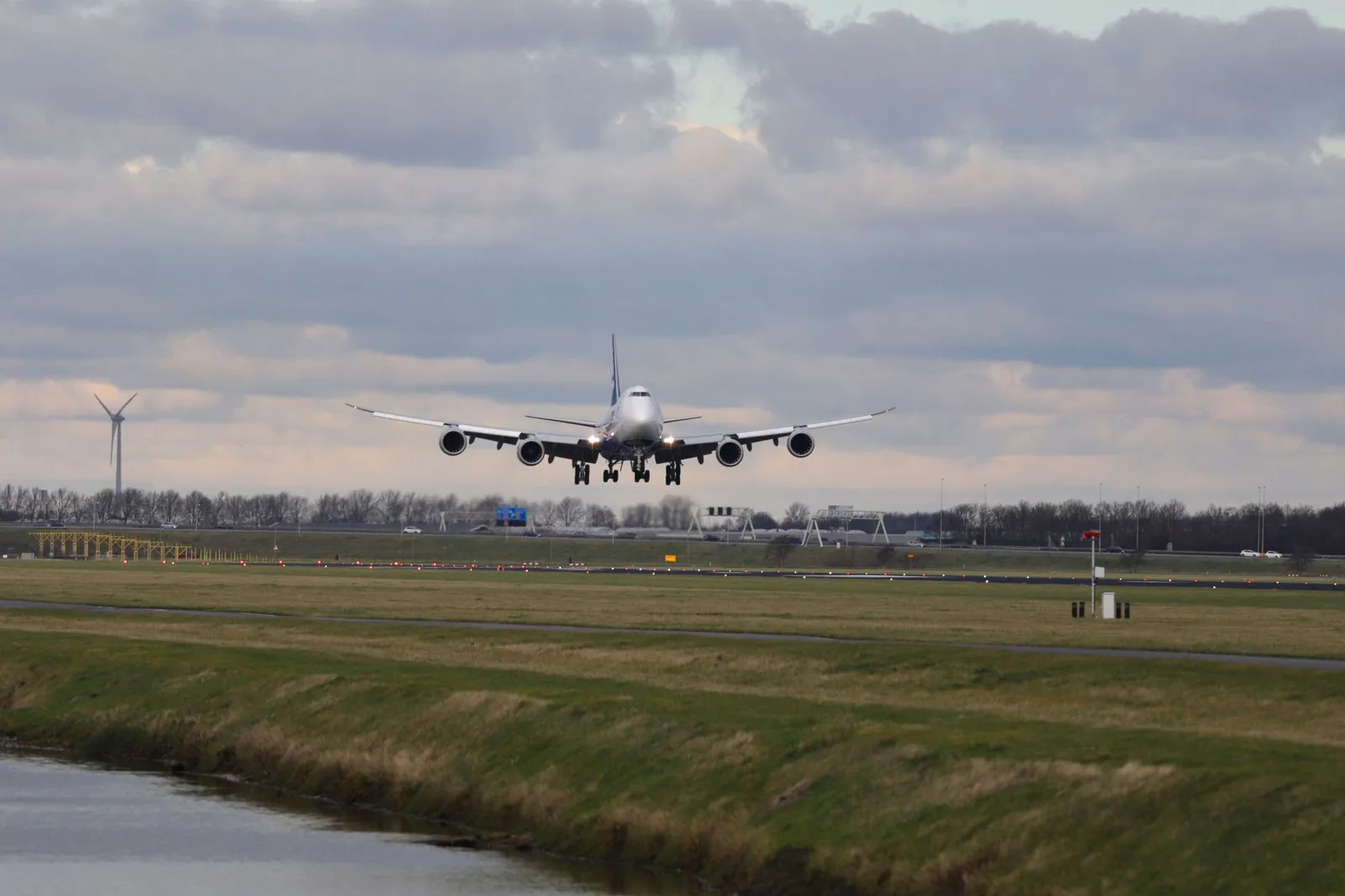
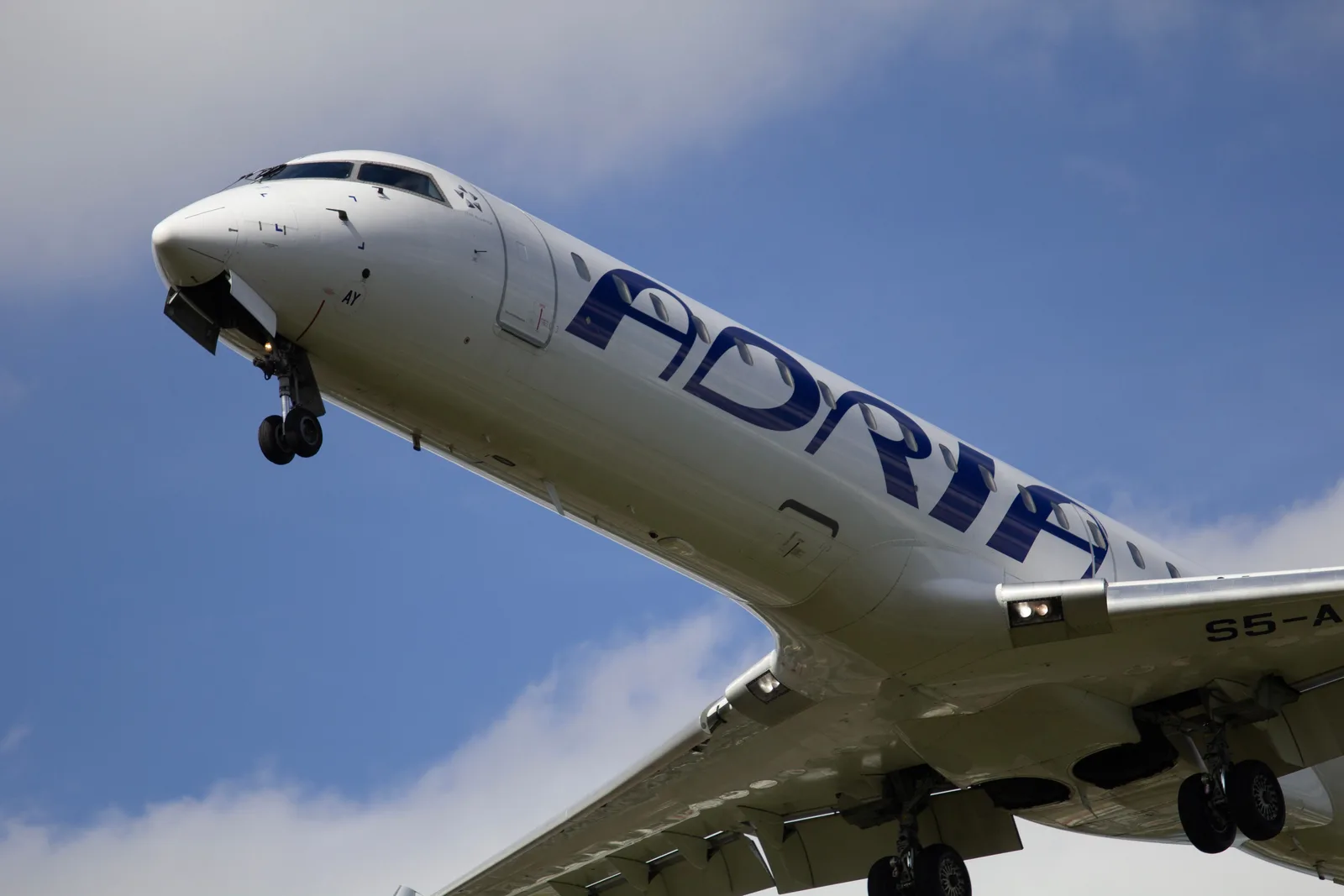
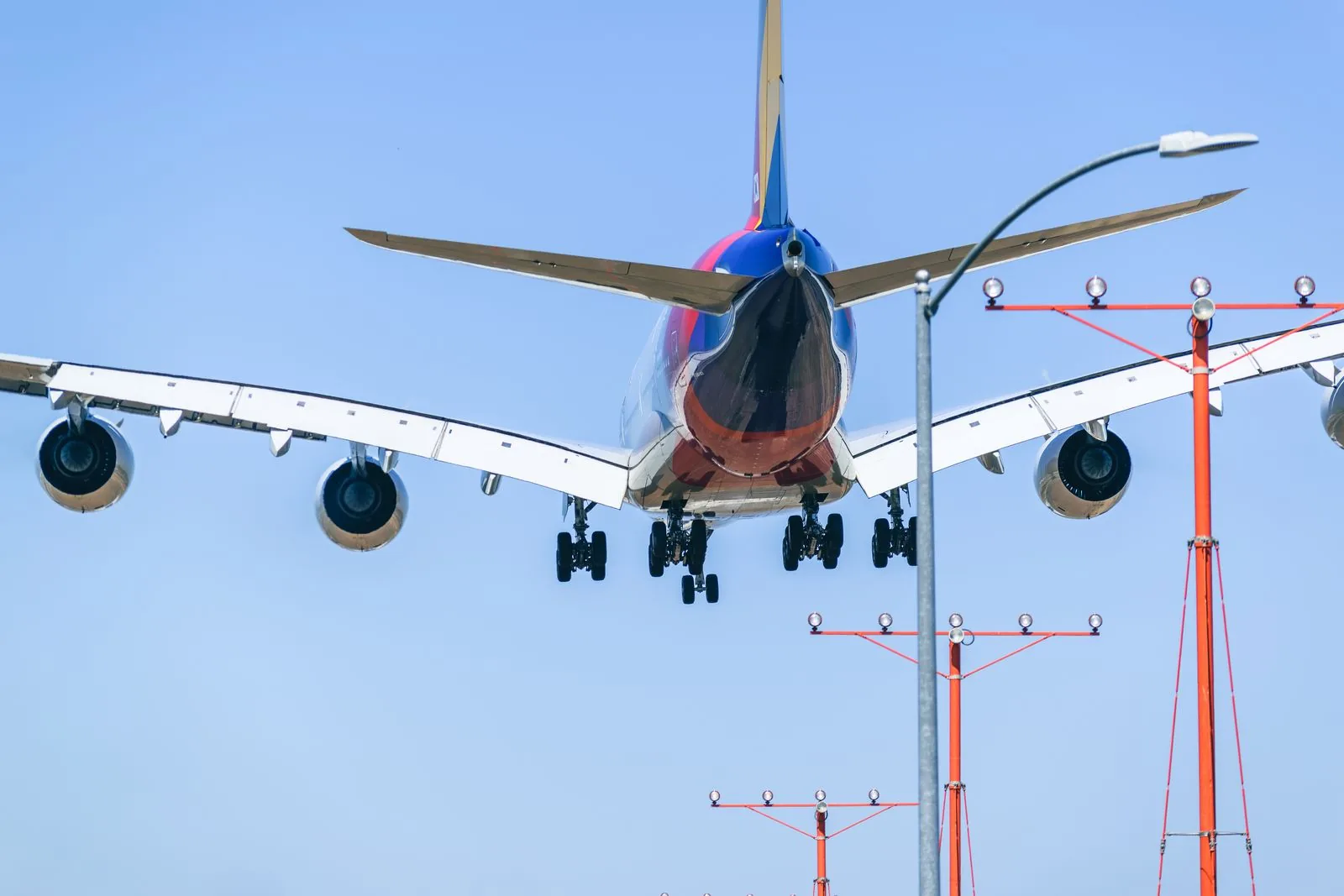
The headline number is real. Industry data shows that roughly half of all accidents happen during final approach and landing, even though those phases make up only a small slice of the total flight time. Of the 1,468 accidents recorded by the International Air Transport Association in 2024, around 770 occurred on landing, compared with roughly 124 during takeoff. By contrast, cruise makes up the majority of flight time yet accounts for only a small fraction of accidents. As CNN reported in 2025, the riskiest part of your flight is not cruising at altitude, it is the first and last few minutes.
So per minute of exposure, landing is indeed where risk concentrates. That is not spin, and pretending otherwise would insult your intelligence. The important part is the second number that rarely gets quoted alongside the first.
Why the scary number is not the whole story
Here is what changes everything: accident frequency is not the same as fatality rate. Landing accounts for the largest share of accidents, but the proportion of those with fatal consequences is comparatively low. The reason is physics. On landing the aircraft is slow, low and shedding energy in a controlled way, so when something goes wrong, a runway excursion or a hard touchdown is far more likely than a catastrophe. Takeoff and initial climb, by contrast, produce fewer accidents but a higher share of the serious ones, because the aircraft is heavy, fast and low on options.
In other words, landing tops the accident count precisely because it is the phase where minor, survivable events cluster. As Airline Ratings explains, the landing phase carries the most accidents but a comparatively low ratio of fatal ones. The headline and the reassurance live in the same data set.
Why landing carries more risk than cruising
The reasons landing demands so much are not mysterious. The aircraft is close to the ground, so there is little room and little time to correct anything. The pilots are managing speed, altitude, descent rate, alignment with the runway and the wind all at once, in the final minutes. Add variables the crew does not control, crosswinds, rain, reduced visibility, the state of the runway, and you have the busiest, most demanding few minutes of the trip.
This is also why aircraft are deliberately pointed into the wind for landing, a detail that is pure safety engineering rather than tradition. We explain the aerodynamics in why planes take off and land into the wind. And when the wind blows across the runway instead of along it, here is why planes land sideways in a crosswind. None of this makes landing unsafe. It makes it demanding, which is exactly why it is the phase pilots prepare for the most.
What pilots do to make landing routine
A demanding phase handled by well-drilled professionals is a very different thing from a dangerous one. Landing is the single most practised manoeuvre in a pilot's career, rehearsed thousands of times in simulators including every failure scenario. During approach the crew works to strict, standardised procedures with clearly divided roles, and below a set altitude they enter the sterile cockpit rule, where all non-essential conversation stops so their entire focus is the landing.
If an approach does not look right, the standard response is not to force it. It is a go-around: full power, climb away, and set up to try again. A go-around can feel dramatic from your seat, but it is a trained, routine safety decision, not an emergency. It exists precisely so that a less-than-perfect approach never becomes a problem.
Putting the real risk in perspective
Step back and the absolute numbers are what matter to you. Concentrating risk into the landing phase does not make flying risky, because the total risk of commercial flying is astonishingly small to begin with. Aviation remains by a wide margin the safest way to travel, and it has become safer decade after decade. A phase being the riskiest part of an extraordinarily safe activity is still, in absolute terms, extraordinarily safe.
If the raw safety comparison is what reassures you most, we lay it out in why the airplane is the safest mode of transportation. And if part of your fear is simply not knowing how a heavy machine stays up and comes down under control, how a plane flies covers the basics in plain language.
For a broader look at how the phases of flight compare, Aviation Journeys breaks down takeoff versus landing risk in accessible terms.
Frequently asked questions
Is landing statistically the most dangerous part of a flight?
Approach and landing account for roughly half of all accidents while making up only a small share of flight time, so per minute it is the highest-risk phase. But most of those accidents are minor, and the share that are fatal is comparatively low.
Is landing or takeoff more dangerous?
Landing produces more accidents overall, but takeoff and initial climb carry a higher proportion of the serious ones, because the aircraft is heavy, fast and has fewer options low to the ground. Both are demanding, both are heavily trained for.
If landing is the riskiest phase, is flying still safe?
Yes. Landing is the riskiest part of an activity that is already the safest way to travel, so in absolute terms the risk stays extremely small. Being the highest-risk phase of an extraordinarily safe process is not the same as being dangerous.
What is a go-around and should it worry me?
A go-around is when the crew climbs away from an approach and sets up to land again. It can feel abrupt, but it is a trained, routine safety decision, not an emergency. It exists so an imperfect approach never turns into a problem.
Why does landing feel scarier than the rest of the flight?
You are close to the ground, the aircraft is manoeuvring, and there are more noises and sensations packed into a few minutes: flaps, gear, speed changes. Your body reads all of that as threat even though each element is normal and planned.
The takeaway
Landing earns its reputation as the busiest phase for risk, and you deserve the honest version rather than a comforting myth. But the same data that makes the headline also delivers the reassurance: the accidents that cluster there are mostly minor, the phase is the most trained and controlled of the entire flight, and it all sits inside the safest form of travel there is. Landing is not the moment to fear. It is the moment your pilots have prepared for more than any other.
Want to take the next step?
If the approach still triggers real anxiety, understanding the numbers is only the start. A good next move is to see where your fear actually sits. Our free fear of flying questionnaire takes under three minutes and gives you a clear read on your profile, with no pressure attached.
And if you would rather work on it properly, at your own pace, the Fofly e-learning course was built by a professional pilot and a psychologist trained in cognitive behavioural therapy. It pairs the aeronautical side, the same facts and phases covered here, with practical techniques to manage the anxiety itself. No obligation, just the door, open whenever you are ready to walk through it.